
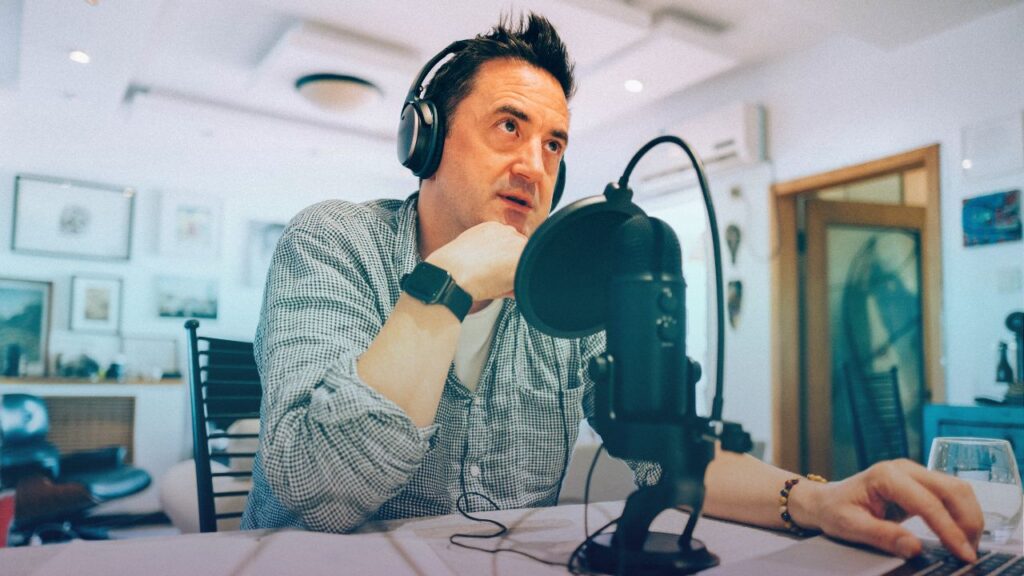
Starting a podcast doesn’t require a professional studio, but it does require the right setup. A well-planned home podcast studio can deliver high-quality sound, a consistent recording environment, and a professional listening experience for your audience.
With the right equipment and preparation, creators can produce polished podcast episodes without leaving home.
Why a Home Podcast Studio Matters
Podcast listeners care most about audio quality and clarity. If your sound is inconsistent, filled with background noise, or difficult to understand, listeners are more likely to stop listening.
A dedicated home podcast studio helps ensure:
- clear and consistent audio
- minimal background noise
- efficient recording sessions
- a professional sound for every episode
Even a simple setup can make a huge difference in how your podcast is perceived.
Essential Equipment for a Home Podcast Studio
Building a home podcast studio starts with a few key pieces of equipment.
Microphone
A good microphone is the most important investment for your podcast. USB microphones are popular for beginners because they connect directly to a computer, while XLR microphones offer higher quality and more control for advanced setups.
Headphones
Closed-back headphones allow you to monitor your audio while recording and detect background noise, distortion, or volume issues.
This helps ensure your recording sounds clean and balanced before editing begins.
Audio Interface or Mixer
If you’re using an XLR microphone, you’ll need an audio interface or mixer to connect your microphone to your computer.
These devices control audio levels and improve sound quality during recording.
Recording Software
Recording software captures your audio and allows you to edit episodes later.
Popular podcast recording tools include digital audio workstations (DAWs) that allow creators to trim audio, remove noise, and add music or effects.
Acoustic Treatment
Even the best microphone can’t compensate for a noisy room.
Simple acoustic improvements such as foam panels, rugs, curtains, or recording in a quiet space help reduce echo and background noise.
Choosing the Right Recording Environment
Your recording environment plays a huge role in sound quality.
For the best results:
- choose a quiet room with minimal outside noise
- avoid large empty spaces that cause echo
- use soft materials like carpets, furniture, or acoustic panels
Many successful podcasters record in small home offices or even closet-style setups designed to absorb sound.
Consistency Is Key
Once your home podcast studio is set up, consistency becomes important.
Using the same microphone, recording environment, and audio settings for every episode helps maintain a recognizable sound that listeners trust and enjoy.
This consistency also simplifies editing and improves the overall listening experience.
Turning Your Home Studio Into a Professional Podcast Setup
A well-designed home podcast studio allows creators to produce high-quality episodes while maintaining flexibility and control over their recording process.
At Canadian Podcasting Productions, podcasters receive guidance on everything from equipment selection to recording workflows and professional production support.
Reach out to Canadian Podcasting Productions to get started.